
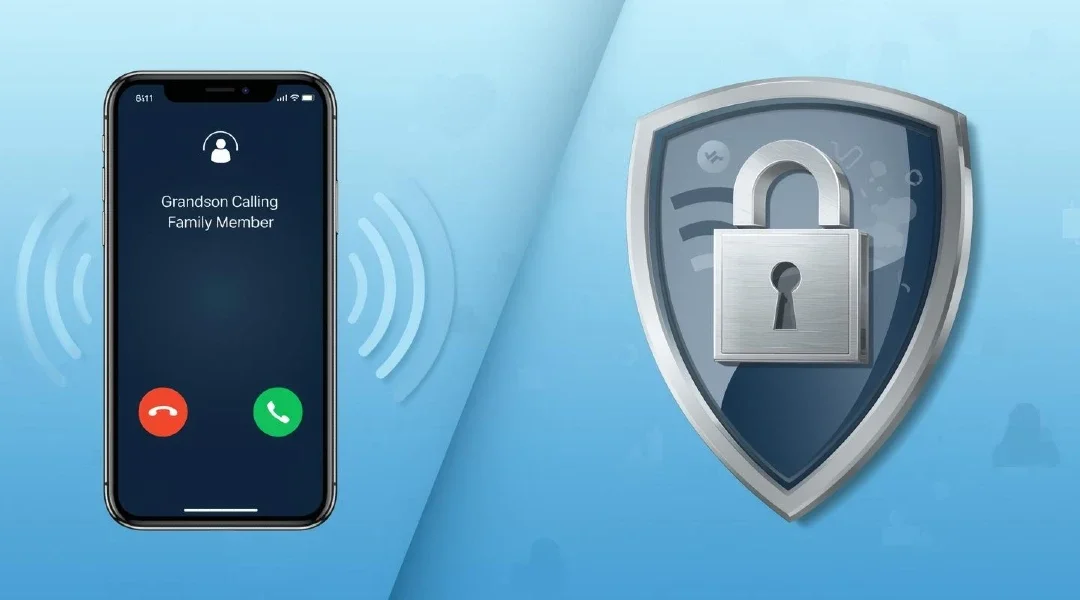

Scammers can now clone your family member’s voice using artificial intelligence. They call you, sound exactly like your grandson or daughter, and say they’re in trouble and need money immediately. It’s terrifying—and it’s happening every day to families across the country.

Table of Contents

  1. What Is AI Voice Cloning and How Do Scammers Use It?
  2. What Is a Family Safe Word?
  3. How Does a Family Safe Word Stop Scammers?
  4. How to Create a Family Safe Word in 4 Simple Steps
  5. What Makes a Good Family Safe Word?
  6. Who Should Know Your Family Safe Word?
  7. How to Use Your Safe Word When You Get a Suspicious Call
  8. What Are the Warning Signs of an AI Voice Cloning Scam?
  9. What If Someone Forgets the Safe Word?
  10. Additional Ways to Protect Yourself from Phone Scams
  11. Frequently Asked Questions

What Is AI Voice Cloning and How Do Scammers Use It?

AI voice cloning is a technology that allows scammers to create a fake version of someone’s voice using just a few seconds of audio. They might get this audio from social media videos, voicemail greetings, or even public videos your family members have posted online.

Here’s how the scam typically works:

  1. A scammer finds a video of your grandson speaking (from Facebook, Instagram, TikTok, or YouTube)
  2. They use AI software to clone his voice in minutes
  3. They call you pretending to be him, using the cloned voice
  4. They claim there’s an emergency—a car accident, arrest, medical bill, or travel problem
  5. They pressure you to send money immediately via wire transfer, gift cards, or cryptocurrency

The cloned voice sounds so real that even close family members are fooled. According to the Federal Trade Commission, Americans lost over $2.6 billion to imposter scams in 2022, and voice cloning is making these scams even more convincing.

**Prefer to watch? This 6-minute video walks you through the entire process:**

What Is a Family Safe Word?

A family safe word is a secret word or phrase that only your real family members know. It acts like a password for phone conversations—a simple way to verify that you’re really talking to your loved one and not a scammer using AI voice cloning technology.

Think of it as a verbal lock that only the right key can open. When someone calls claiming to be family and asking for money or help, you simply ask: “What’s our safe word?”

If they can’t tell you the correct answer, you know it’s a scam. You can hang up immediately without any doubt or guilt.

How Does a Family Safe Word Stop Scammers?

A family safe word is effective because scammers can’t know it. While AI can clone a voice perfectly, it can’t read minds or access private family information that has never been shared publicly.

Even if a scammer sounds exactly like your daughter, they’ll fail the moment you ask for the safe word. This simple test immediately reveals the scam, and you can end the call with confidence.

The beauty of this protection method is its simplicity. You don’t need any special technology, apps, or technical skills. You just need to remember one word or phrase and ask for it when you’re suspicious.

How to Create a Family Safe Word in 4 Simple Steps

Setting up a family safe word takes less than 10 minutes, but it could save you thousands of dollars and tremendous heartache. Here’s exactly how to do it:

Step 1: Choose a Word That’s NOT Easy to Guess

Avoid using anything that someone could find online about your family or guess easily:

  • Don’t use: Pet names, street names where you lived, maiden names, favorite sports teams, or anniversary dates
  • Don’t use: Common passwords like “family123” or “love”
  • Don’t use: Anything you’ve mentioned in social media posts or photos

These details might seem private, but scammers often research their victims on Facebook, Instagram, and other social media before making their calls.

Step 2: Make It Memorable

Your safe word needs to be something everyone can remember without writing it down. Good options include:

  • Two random words combined: “purple elephant” or “beach sunset”
  • A phrase from a family inside joke that’s never been shared online
  • Four random words: “banana telescope river Thursday”
  • A made-up word: “flibbertigibbet” or “snicklefritz”

The stranger the combination, the better—as long as everyone can remember it. Test it by having each family member repeat it back to you when you share it.

Step 3: Share It with Close Family Only

Tell your safe word to:

  • Your children and grandchildren
  • Your siblings
  • Your spouse or partner
  • Anyone who might legitimately call you in an emergency

When you share it, explain exactly why: “If you ever call me in an emergency and I can’t tell if it’s really you or a scammer using AI, I’m going to ask you for our family safe word. This is it: [your safe word]. Please remember it and never share it with anyone outside our immediate family.”

Important: Do NOT post your safe word on social media, in text messages, or in emails. Share it only through in-person conversations or secure phone calls where you’ve initiated the call to a known family member.

Step 4: Practice Using It

Make the safe word a normal part of your family communication:

  • Next time you talk to family, say: “Hey, what’s our safe word?” to make sure everyone remembers it
  • Practice once a month, just like you’d test a smoke detector
  • If someone forgets, remind them privately (not through text or email)
  • Consider reviewing it at family gatherings or holiday get-togethers

The more you practice, the more natural it becomes—and the less likely anyone is to forget it during an actual emergency.

What Makes a Good Family Safe Word?

The best family safe words share these characteristics:

  • Unpredictable: Not related to your family history, pets, addresses, or anything findable online
  • Memorable: Easy enough for everyone to remember without writing it down
  • Unique: Not a common phrase or something you’d say in normal conversation
  • Simple: Easy to say clearly over the phone (avoid complicated words that sound alike or are hard to pronounce)
  • Permanent: Something you’ll use for years, not something tied to current events that will feel dated

Examples of good safe words:

  • “Moonlight pancake”
  • “Red umbrella Tuesday”
  • “Giraffe carousel”
  • “Watermelon submarine”

Examples of bad safe words:

  • “Fluffy” (your dog’s name that’s in your Facebook photos)
  • “Oakwood” (the street you grew up on)
  • “Johnson” (your maiden name)
  • “Yankees” (your favorite team you post about constantly)

Who Should Know Your Family Safe Word?

Keep your circle small. Your family safe word should only be known by:

  • Immediate family members who might legitimately call you in an emergency
  • People you talk to regularly and trust completely
  • People who understand the importance of keeping it secret

Do NOT share your safe word with:

  • Extended family you rarely speak with
  • Friends, even close ones (they can set up their own safe word system with you separately)
  • Neighbors or coworkers
  • Healthcare providers or financial advisors
  • Anyone on social media, in group chats, or via email

The fewer people who know it, the more secure it remains. If too many people know your safe word, there’s a greater chance it could accidentally be shared or overheard by the wrong person.

How to Use Your Safe Word When You Get a Suspicious Call

Here’s exactly what to do when you receive a call from someone claiming to be a family member who needs help:

Listen for Red Flags First

Before even asking for the safe word, notice if the caller:

  • Says there’s an urgent emergency requiring immediate money
  • Asks you to wire money, buy gift cards, or send cryptocurrency
  • Tells you not to tell anyone else in the family
  • Claims to be in jail, in an accident, or stranded somewhere
  • Pressures you to act quickly without thinking

Ask for the Safe Word Immediately

Interrupt the caller and say clearly:

“Before we continue, I need you to tell me our family safe word.”

Don’t give hints. Don’t ask leading questions. Just ask directly for the safe word and wait for their answer.

What Happens Next

If they give the CORRECT safe word:

  • You know it’s really your family member
  • Listen to the situation carefully
  • Still take time to think before sending money
  • Consider calling another family member to verify the situation
  • If possible, offer to help in person rather than sending money immediately

If they give the WRONG answer or can’t answer:

  • It’s a scam—hang up immediately
  • Don’t explain why you’re hanging up
  • Don’t argue or engage further
  • Block the number if possible
  • Call your real family member directly (using a number you already have saved) to make sure they’re okay

If they get upset, angry, or say there’s no time for games:

  • This is a major red flag—it’s almost certainly a scam
  • Real family members will understand your need to verify
  • Hang up immediately

The Golden Rule

NEVER give money, gift cards, or wire transfers to anyone—even if they sound exactly like family—until they give you the safe word.

If someone gets upset or says there’s no time, that’s proof it’s a scam. Real emergencies can wait 30 seconds for a safe word.

What Are the Warning Signs of an AI Voice Cloning Scam?

In addition to using your safe word, watch for these common warning signs of voice cloning scams:

The Emergency Is Always Urgent

Scammers create fake urgency to prevent you from thinking clearly. They might say:

  • “I only have one phone call from jail”
  • “The hospital needs payment in the next hour”
  • “I’m stranded at the airport and my flight leaves soon”
  • “My car broke down in a dangerous area”

They Request Untraceable Payment Methods

Legitimate emergencies don’t require:

  • Gift cards (iTunes, Google Play, Amazon, Target, etc.)
  • Wire transfers through Western Union or MoneyGram
  • Cryptocurrency (Bitcoin, etc.)
  • Cash sent through the mail

These payment methods are favorites of scammers because they’re impossible to reverse once sent.

They Tell You to Keep It Secret

Scammers often say:

  • “Don’t tell Mom/Dad—they’ll just worry”
  • “The lawyer said not to discuss this with anyone”
  • “This is embarrassing, please don’t tell the rest of the family”

Real family members want you to get help and support from others, not keep secrets.

The Voice Quality Might Have Small Flaws

While AI voice cloning is very good, you might notice:

  • Slight robotic quality to the voice
  • Unusual pauses or rhythm in speech
  • Background noise that sounds artificial
  • The voice sounds “flat” emotionally despite the urgent situation

However, don’t rely on detecting these flaws—AI technology improves constantly, and many cloned voices are now virtually perfect. Your safe word is far more reliable.

They Can’t Answer Personal Questions

Even without a safe word, you can ask questions only the real person would know:

  • “What did we do for your last birthday?”
  • “What’s the name of your childhood pet?”
  • “Where did we go on vacation two years ago?”

But be careful—smart scammers research social media and might know these answers. Your safe word remains the best protection.

What If Someone Forgets the Safe Word?

If a family member legitimately forgets your safe word during a real emergency, here’s what to do:

  1. Hang up and call them back using a phone number you already have saved for them
  2. Ask them to verify information only they would know that’s NOT on social media
  3. Contact another family member to verify the emergency independently
  4. Offer to help in person rather than sending money immediately
  5. Take your time—real emergencies can wait a few minutes for proper verification

Remember: If it’s really your family member and they’ve genuinely forgotten, they’ll understand your caution. If they get angry or refuse to wait, it’s probably a scam.

After the situation is resolved, make sure to review the safe word with everyone again so this doesn’t happen during the next real emergency.

Additional Ways to Protect Yourself from Phone Scams

A family safe word is powerful protection, but combine it with these additional strategies for maximum security:

Limit Social Media Sharing

  • Make your Facebook, Instagram, and other profiles private
  • Avoid posting videos where family members speak (scammers need just 3-5 seconds of audio)
  • Don’t share travel plans, daily routines, or financial information publicly
  • Review what information is visible to “friends of friends”

Establish Communication Protocols

Set family rules like:

  • “We always verify emergencies by calling back on a known number”
  • “We never send money based on a single phone call”
  • “We always involve at least two family members in financial decisions”

Register with Do Not Call Lists

  • Add your number to the National Do Not Call Registry at donotcall.gov
  • This won’t stop scammers but reduces legitimate marketing calls

Use Call Blocking Technology

  • Enable spam call blocking on your smartphone
  • Consider apps like Nomorobo, RoboKiller, or Truecaller
  • Ask your phone carrier about free call-blocking services

Never Answer Calls from Unknown Numbers

  • Let unknown calls go to voicemail
  • Real emergencies will leave a message
  • If it’s truly urgent, they’ll call multiple times or contact you another way

Verify Before You Trust

If you receive any unexpected call about money or emergencies:

  • Hang up and call the person back on a number you already have
  • Contact another family member to verify the story
  • Take time to think—scammers rely on rushed decisions
  • When in doubt, do nothing immediately

Report Scam Attempts

If you receive a suspected AI voice cloning scam call:

  • Report it to the FTC at ReportFraud.ftc.gov
  • Report it to the FBI’s Internet Crime Complaint Center at ic3.gov
  • Tell your family members so they can be on alert
  • Share your experience to warn others in your community

Frequently Asked Questions About Family Safe Words and AI Voice Cloning Scams

How realistic is AI voice cloning?

AI voice cloning technology is extremely realistic. Modern AI can create a convincing clone of someone’s voice using just 3-5 seconds of audio. The cloned voice can speak anything the scammer types, express emotions, and sound virtually identical to the real person. Even close family members are fooled regularly, which is why voice verification alone is no longer reliable protection.

Where do scammers get audio clips to clone voices?

Scammers find audio clips from publicly posted social media videos (Facebook, Instagram, TikTok, YouTube), voicemail greetings, video calls, company websites, news interviews, or anywhere someone has recorded their voice online. They only need a few seconds of clear audio to create a convincing clone, which is why limiting social media sharing of videos with audio is important.

Can I use the same safe word for everyone in my family?

Yes, it’s actually recommended to use the same safe word for your entire immediate family. This makes it easier to remember and more practical to use. Everyone in your close family circle should know the same safe word so you can verify any of them quickly during a suspected scam call.

How often should I change my family safe word?

You should change your family safe word if you suspect it has been compromised, if someone outside your immediate family has learned it, or if a family member accidentally shares it publicly or in a message. Otherwise, keeping the same safe word for years is fine—consistency helps everyone remember it. Think of it like your home address: you don’t change it unless you have a specific reason.

What if I forget to ask for the safe word during a scam call?

If you realize afterward that you forgot to ask for the safe word, don’t panic. If you haven’t sent money yet, simply hang up and call your family member back using a phone number you already have saved. If you’ve already sent money, contact your bank or the payment service immediately to try to reverse the transaction, then report the scam to the FTC and local police. Use this as a reminder to practice using your safe word regularly.

Should I write down my family safe word?

Ideally, no. Your safe word should be memorable enough that everyone can remember it without writing it down. However, if you must write it down, store it only in a secure location that scammers cannot access—such as a locked safe, not on your phone, computer, or anywhere online. Never store it in emails, text messages, notes apps, or anywhere that could be hacked or seen by others.

What should I do if a scammer correctly guesses my safe word?

While extremely unlikely if you’ve chosen a truly random safe word and kept it private, if this happens, hang up immediately and create a new safe word right away. Share the new safe word with all family members through in-person conversations or direct phone calls you initiate. Investigate how the scammer might have learned your old safe word to prevent it from happening again.

Can children and elderly family members remember a safe word?

Yes, as long as you choose something simple and memorable. For young children, use a safe word related to their interests (but not their favorite character or pet). For elderly family members with memory concerns, practice more frequently—perhaps weekly instead of monthly. You might also write it down and keep it in a secure location they can access if needed, though this is less secure than memory alone.

Are there any legitimate situations where family would ask for money urgently?

Yes, real emergencies do happen. However, even in genuine emergencies, your real family members will be able to give you the safe word. If they’ve legitimately forgotten it, they’ll understand when you hang up and call them back on their known number to verify. Real family members won’t get angry about security precautions—scammers will.

What’s the difference between AI voice cloning and deepfake videos?

AI voice cloning creates fake audio recordings of someone’s voice, while deepfake videos create fake video footage of someone’s face and movements. Both use artificial intelligence to impersonate real people. Scammers use voice cloning more frequently for phone scams because it’s easier and cheaper to create than deepfake videos. However, both technologies are being used in various scam scenarios, and both can be defeated by verification methods like safe words.

Will phone companies or law enforcement develop technology to stop voice cloning scams?

Technology companies and law enforcement are working on solutions, but AI voice cloning scams are difficult to stop technologically because the scam calls look like normal phone calls. The best protection right now is personal vigilance and verification methods like family safe words. Don’t wait for technology solutions—protect yourself today with a safe word.

Can scammers clone my voice and call my family members?

Yes, if scammers can find audio of you speaking online, they could clone your voice and call your family members pretending to be you in an emergency. This is another reason why establishing a family safe word is critical—it protects both you and your loved ones. Make sure your family knows to ask YOU for the safe word if “you” call them asking for money.

What if the emergency is real and my family member is using someone else’s phone?

If your family member is calling from an unfamiliar number because they lost their phone or are using someone else’s, they should still know your family safe word. This is exactly the scenario where a safe word proves its value—you can verify it’s really them even when calling from an unknown number. If they can’t remember the safe word, hang up and try calling their regular number, or contact another family member to verify the situation.

How much money do people typically lose to voice cloning scams?

Victims of voice cloning and imposter scams typically lose between $1,000 and $10,000, though some have lost much more. The Federal Trade Commission reports that imposter scams (which now increasingly include AI voice cloning) are among the costliest types of fraud. The emotional cost is also significant—victims feel betrayed and often experience depression, anxiety, and mistrust after being scammed.

Are certain people targeted more often for voice cloning scams?

Scammers often target seniors because they may be less familiar with new technology and AI capabilities, may have more savings accessible, and may be more trusting of calls that sound like family members. However, anyone can be targeted. Scammers also research victims on social media to find those who post frequently about family, display wealth, or share information that can be used to make the scam more convincing.

Can I have different safe words with different people?

While you can have different safe words with different people, this makes the system much more complicated and harder to remember. It’s more practical to have one family safe word that all your immediate family members know. However, you might have a separate safe word with close friends outside your family if you want similar protection with them.

What should I tell my grandchildren about why we need a safe word?

Explain it honestly but without causing fear: “There are some bad people who can use computers to make their voice sound like mine or your parents’ voices. They do this to trick people. Our family safe word is like a secret password that proves you’re really talking to me. If someone calls you pretending to be Grandma and asking for help, you can ask for our safe word to make sure it’s really me. If they don’t know it, hang up and call me back at my regular number.”

Do I need a safe word if I don’t have much money?

Yes. Scammers don’t always know how much money you have before they call. They cast a wide net and try many potential victims. Even if you think you’re not a worthwhile target, scammers may still try. Additionally, the emotional trauma of almost falling for a scam—or worrying that a family member is in danger—is worth preventing regardless of your financial situation.

What if I already gave money to a voice cloning scammer?

Act immediately: (1) Contact your bank or credit card company if you used those methods—they may be able to reverse the charge; (2) If you bought gift cards, contact the gift card company with the receipt and card numbers—some can freeze unused balances; (3) If you wired money, contact the wire transfer company immediately; (4) Report the scam to the FTC at ReportFraud.ftc.gov and to the FBI at ic3.gov; (5) File a police report; (6) Warn your family members so they don’t fall for similar scams; (7) Set up a family safe word immediately to prevent it from happening again.

Are there any apps that can detect AI voice cloning?

While some technology companies are developing AI detection tools, there are currently no reliable consumer apps that can detect AI voice cloning during a phone call in real-time. The technology advances so quickly that detection methods struggle to keep up. This is why a family safe word—which relies on private knowledge rather than technology—is currently the most effective protection method available.

Take Action Today to Protect Your Family

AI voice cloning scams are frightening, but you now have the knowledge to protect yourself and your loved ones. A family safe word is your simple, powerful defense against these sophisticated scams.

Here’s what to do right now:

  1. Create your family safe word using the guidelines above
  2. Call or visit your close family members and share it with them personally
  3. Explain how and when to use it
  4. Practice it together so everyone remembers
  5. Set a reminder to review it monthly

This one simple step—which takes less than 10 minutes to set up—could save you thousands of dollars and immeasurable heartache.

Share this information with your loved ones. Send them this article, discuss it at your next family gathering, or make it a topic of conversation during your next phone call. The more families who establish safe words, the harder it becomes for scammers to succeed.

Technology will continue advancing, and scammers will keep finding new ways to deceive people. But your family safe word will always work because it’s based on something AI can never access: private information shared only among people you trust.

Stay safe out there, and remember: when someone claiming to be family asks for money, ask for the safe word first. Every single time. No exceptions.

📤 Share this guide:

Facebook | Email | Text | Copy Link

🛡️ Online Safety & Scam Protection Hub

This article is part of our complete Online Safety & Scam Protection guide for seniors covering phone scams, phishing emails, identity theft, privacy, and fraud prevention.